
iPhone 4 (2010)
iPhone 4 (2010): the glass-and-steel redesign with Retina display that introduced FaceTime and lived through 'Antennagate'.
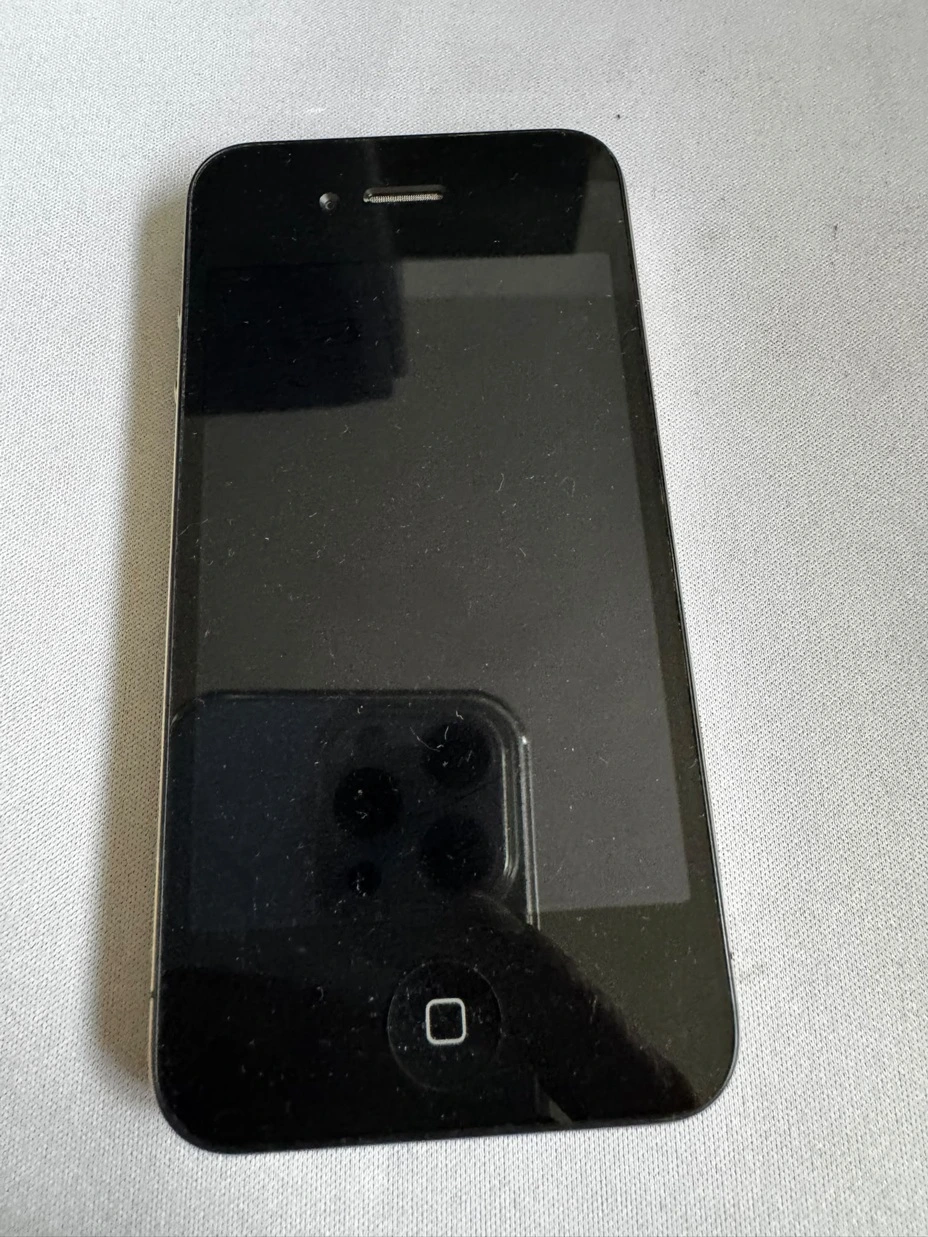
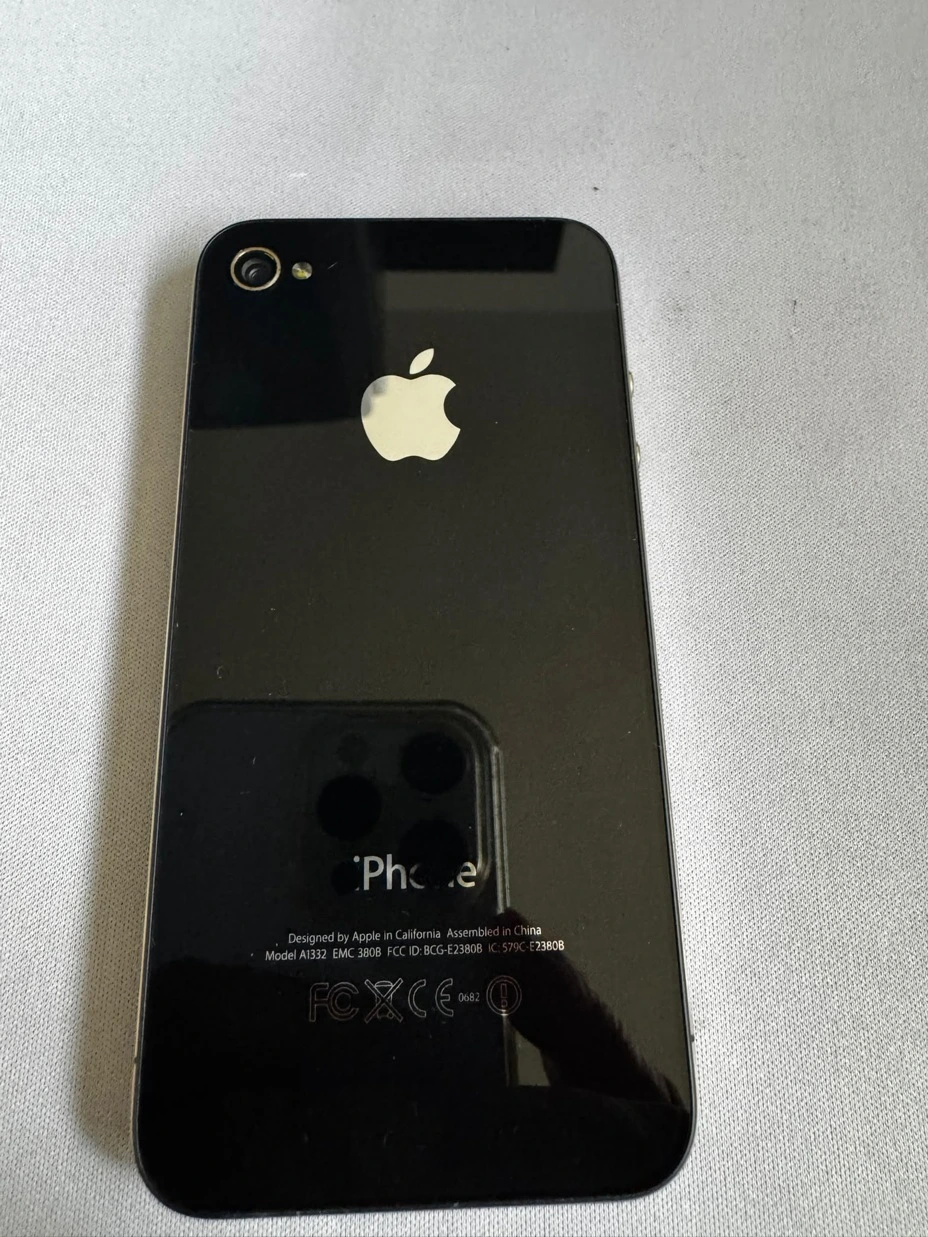
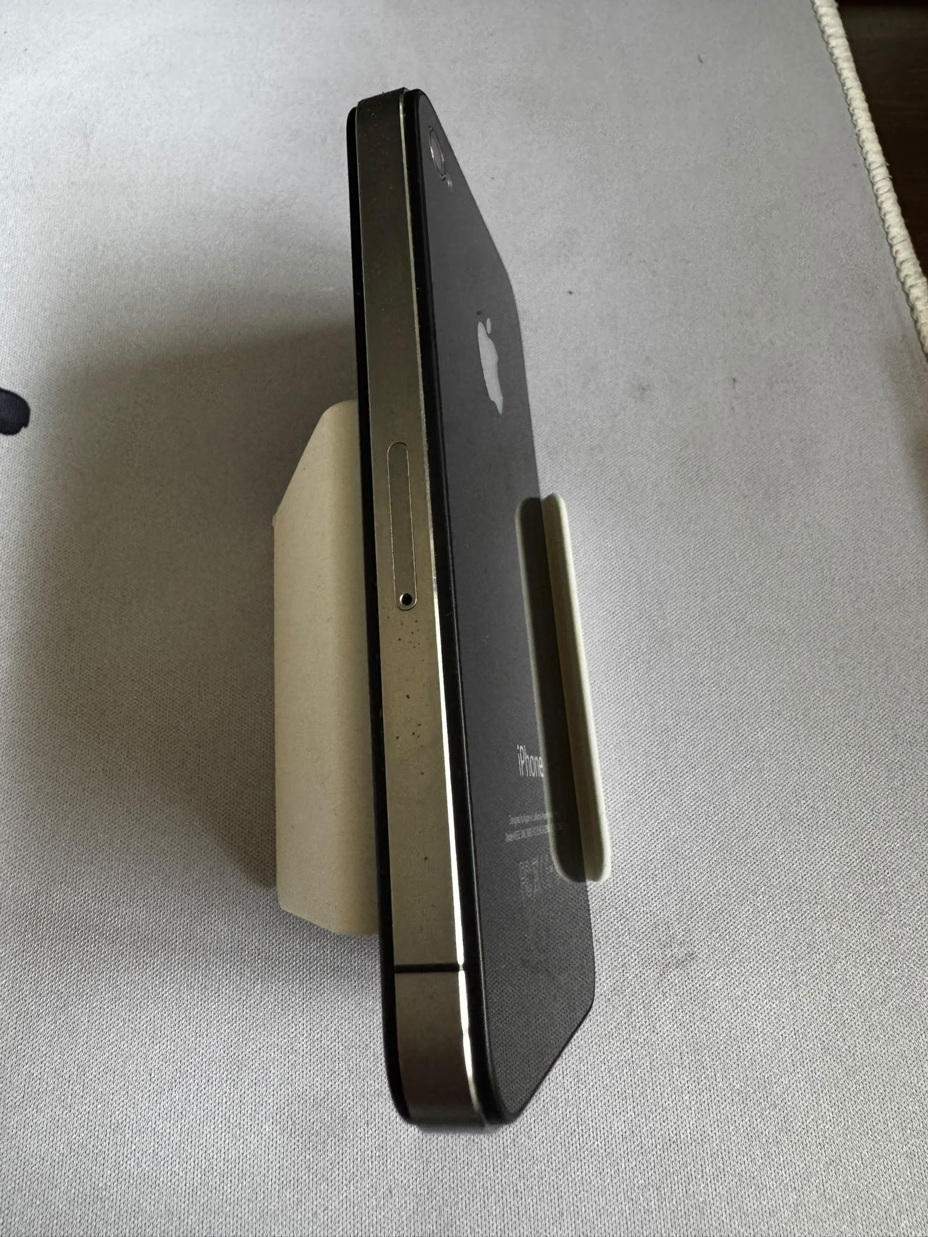
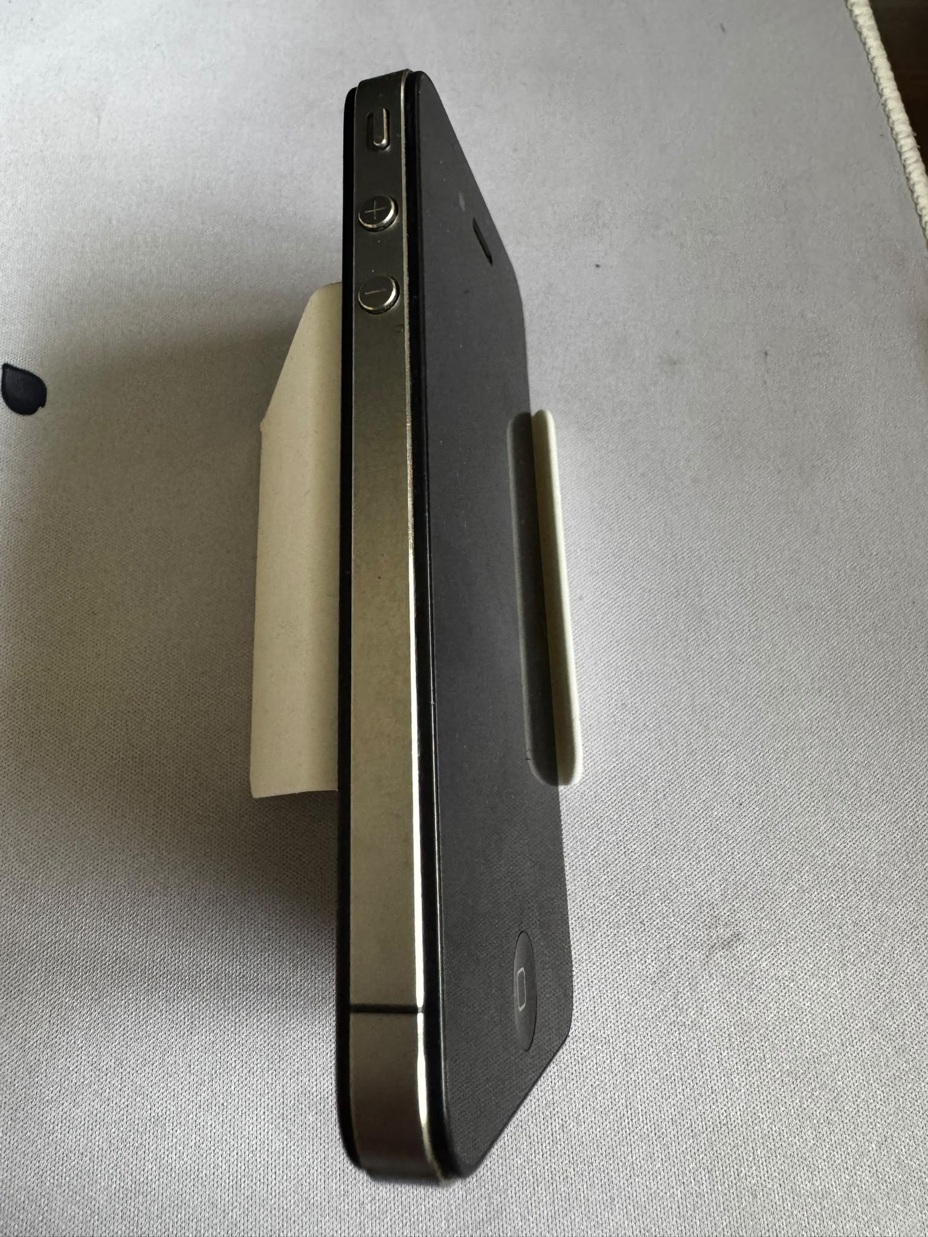

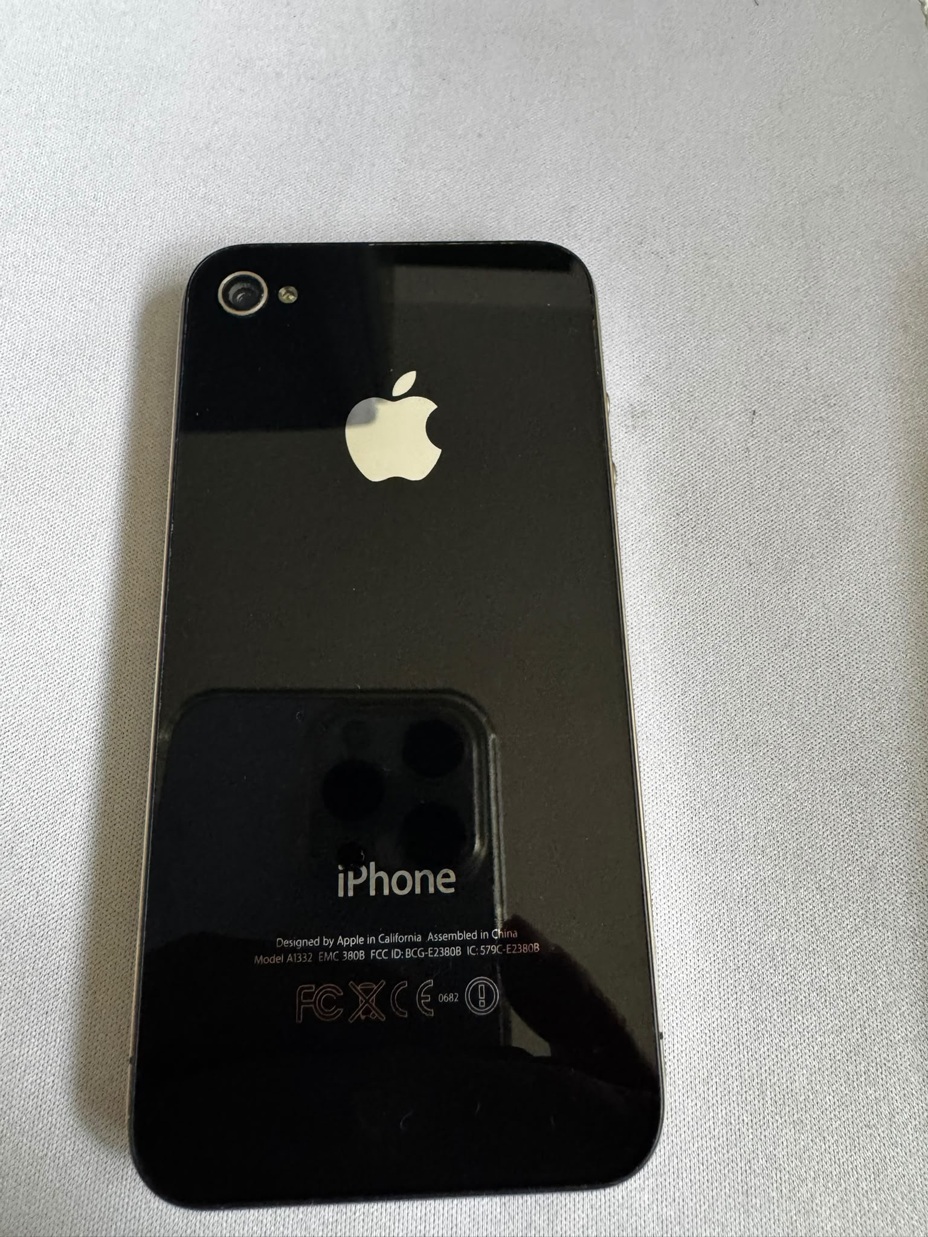
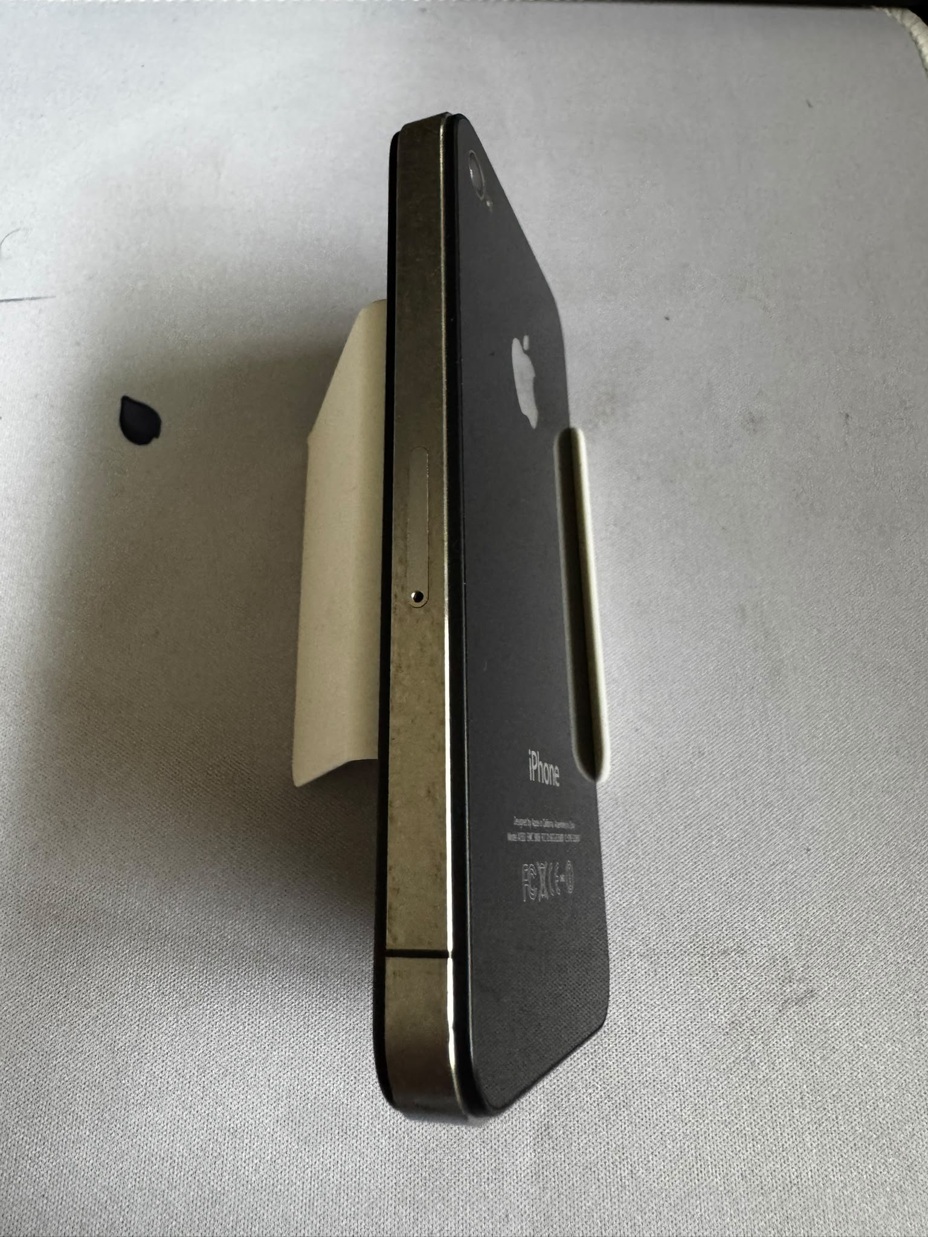

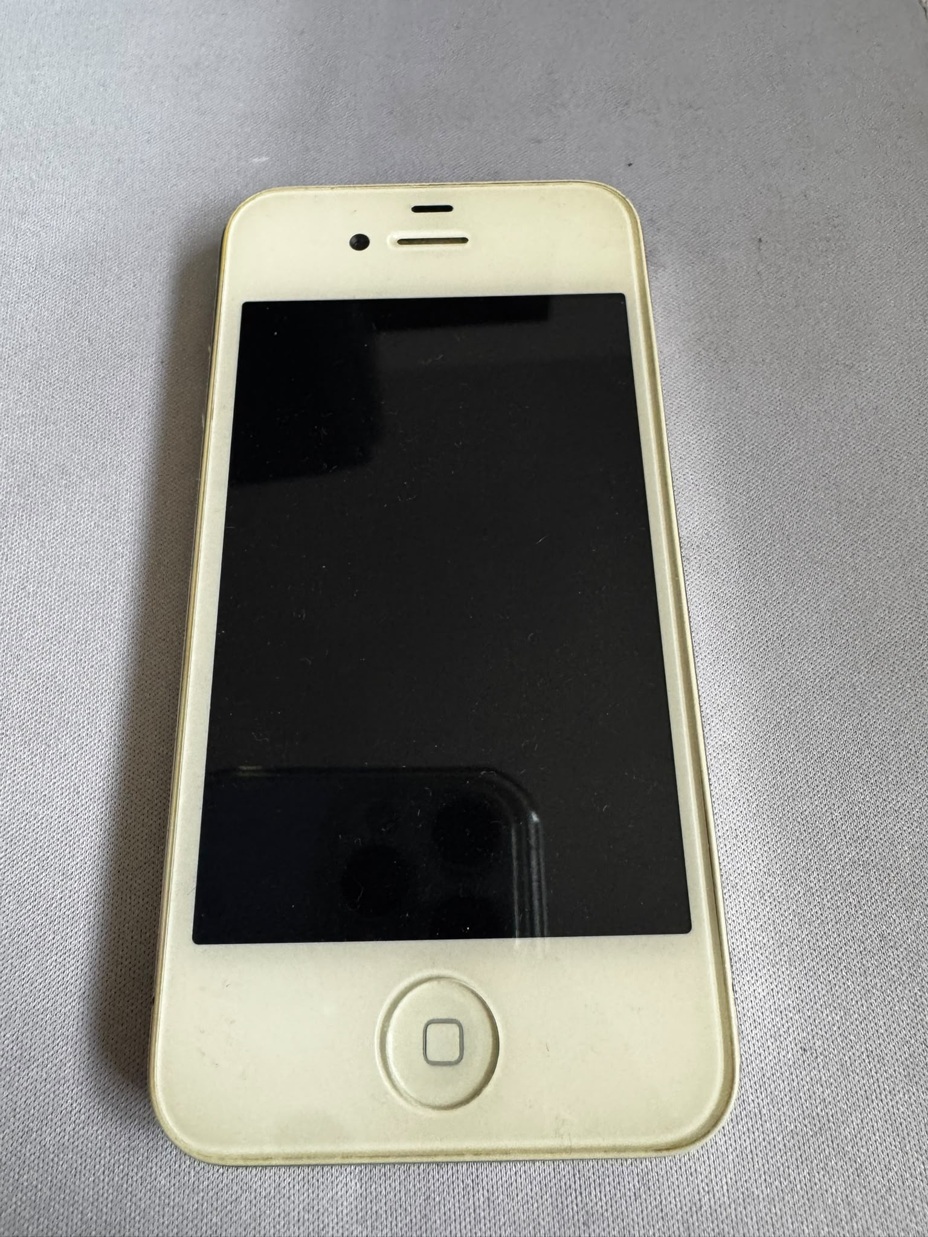
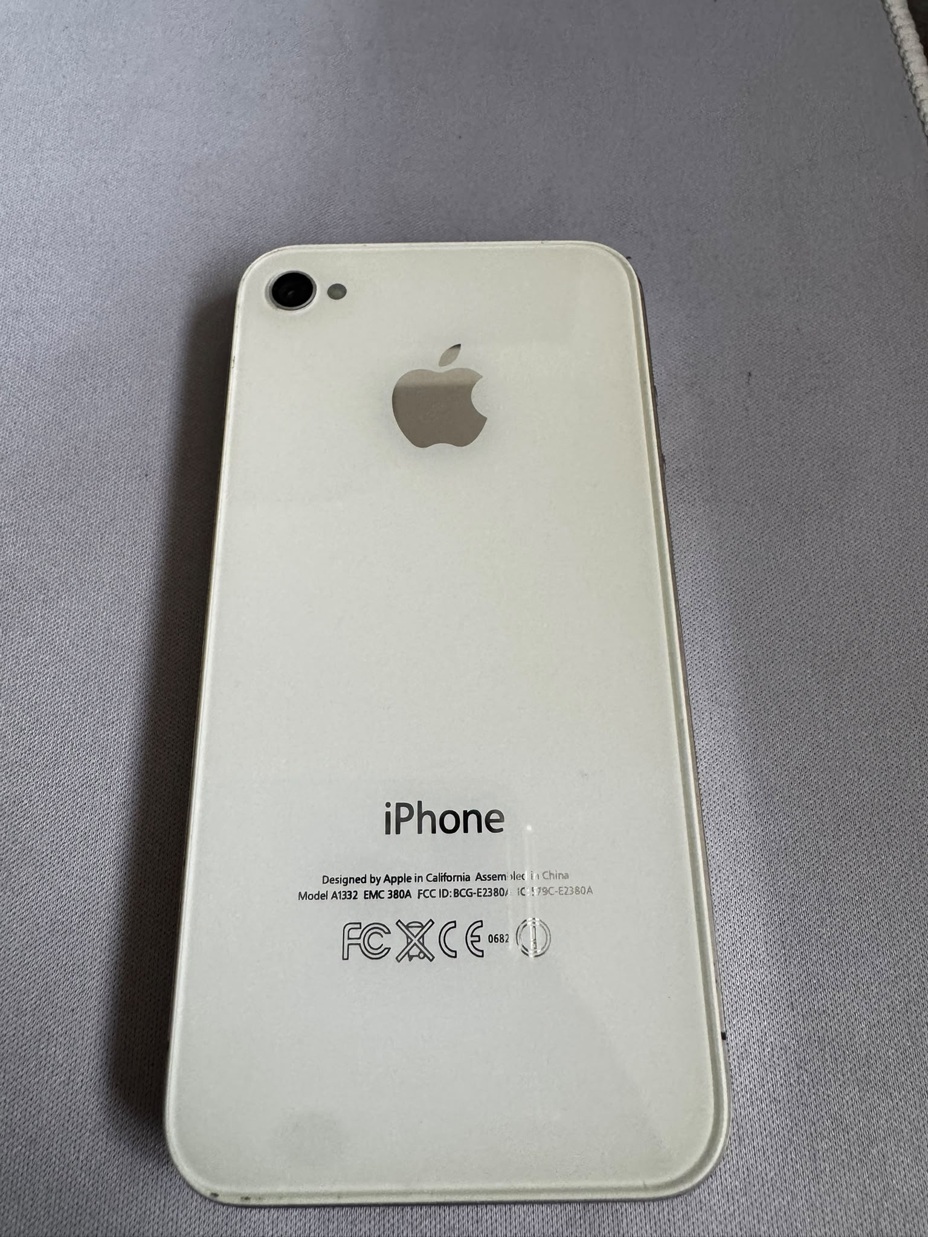
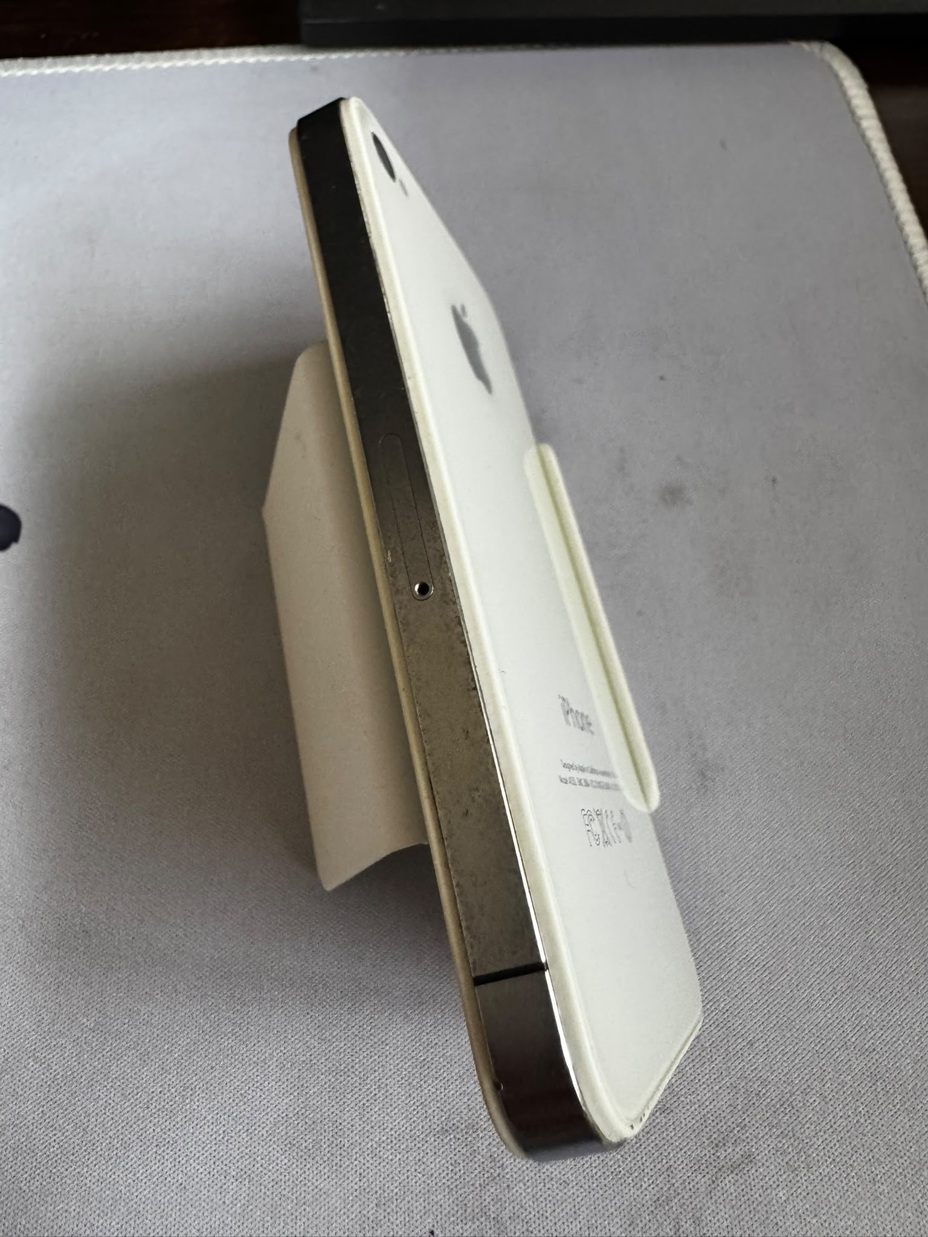
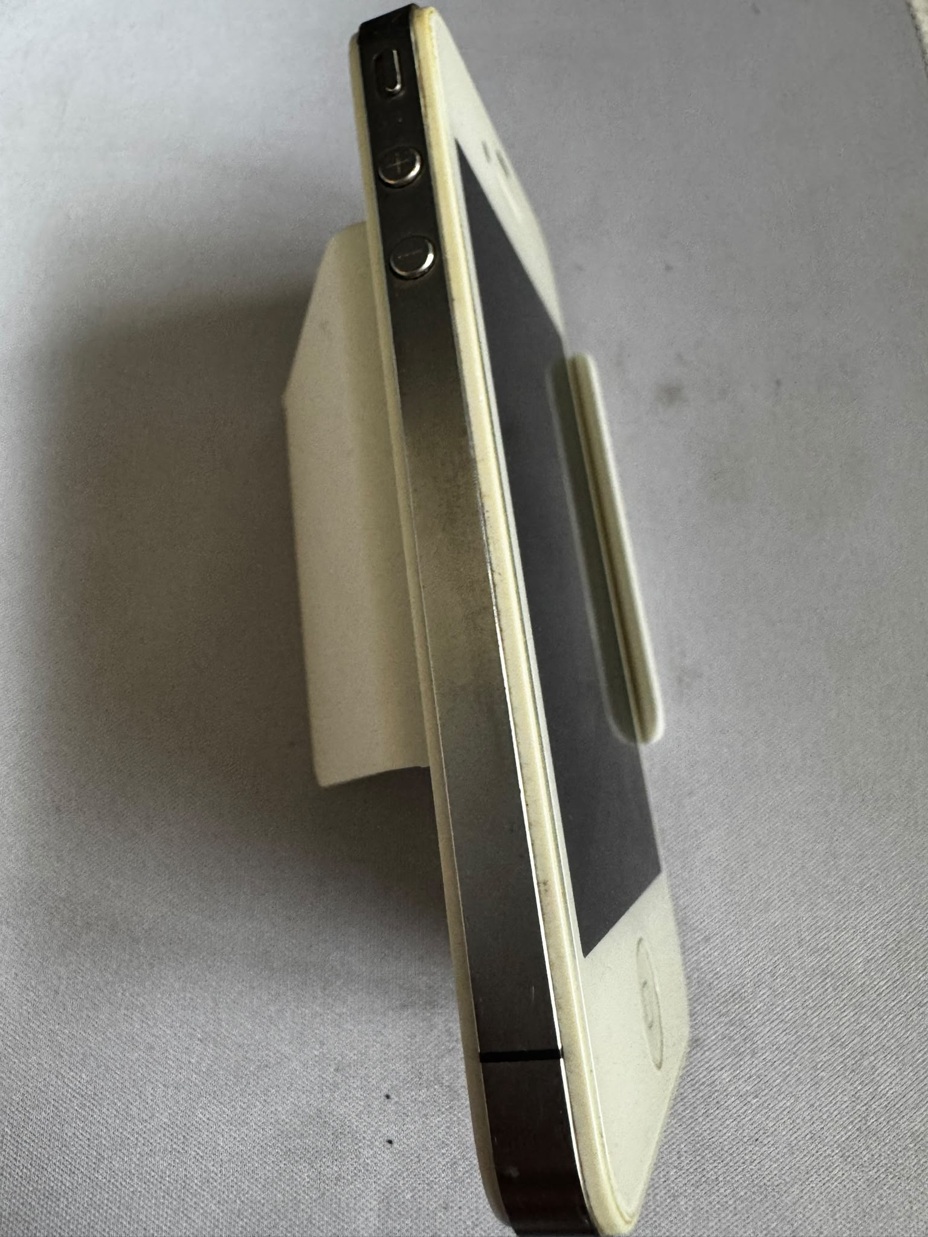
iPhone 4 · A1332. Original photo from the iMuseo collection. Unit identifiers are hidden where present.
Specs
| Reference | A1349 / A1332 |
|---|---|
| Release | 2010-06-24 |
| Chip | Apple A4 · 1 GHz |
| RAM | 512 MB |
| Storage | 16 / 32 GB |
| Display | 3.5″ · 960×640 · 326 ppi |
| Camera | 5 MP + 0.3 MP |
| Battery | 1420 mAh |
| Weight | 137 g |
| Dimensions | 115.2 × 58.6 × 9.3 mm |
| Connectivity | HSPA · Wi-Fi n · BT 2.1 |
| Ports | 30-pin |
| OS | iOS 4 |
| Price | 199 / 299 USD |
| Technology and variants | GSM (2010): UMTS/HSDPA/HSUPA 850/900/1900/2100 MHz and GSM/EDGE 850/900/1800/1900 MHz, with micro-SIM. CDMA (2011): EV-DO Rev. A 800/1900 MHz, with no SIM tray. These are radio variants, not new generations; this note does not assign each A-number to a radio. Apple 1 Apple 2 |
Launch
Announced by Steve Jobs at WWDC in San Francisco on June 7, 2010; pre-orders opened June 15 (over 600,000 in 24 hours, Apple's largest single-day pre-order tally up to that point) and it went on sale June 24 in the US, UK, France, Germany and Japan at $199 (16 GB) and $299 (32 GB) with a two-year contract. 1.7 million were sold in the first three days. The white model was delayed until April 28, 2011, and a CDMA version for Verizon arrived on February 10, 2011, ending AT&T's US exclusivity. It stayed on sale as the entry-level model until it was discontinued on September 10, 2013, after 15 months as the flagship, the longest run for an iPhone up to then.
Why it existed
Apple presented it as an iPhone renewal built around three visible uses: clearer reading, video calls and HD video recording. This is the public purpose of the June 2010 announcement, not an account of undocumented internal decisions.
What it introduced
The 3.5-inch Retina display moved to 960 × 640 pixels at 326 ppi. It also brought A4, a gyroscope, a 5 MP rear camera with flash and FaceTime, which initially required Wi-Fi; these were additions to the iPhone, not unproven claims of worldwide invention.
Against the competition
The Nokia N8, announced in April 2010 with shipment planned for the third quarter, offered Symbian^3, a 12 MP camera with Xenon flash and HDMI. Against that multimedia approach, Apple stressed Retina and FaceTime: the specifications show different priorities, not a camera-quality winner.
Nokia Conversations, now Microsoft Devices Blog · N8 announcement · 27 April 2010 · Apple · iPhone 4 announcement · 7 June 2010
Documented impact
Apple reported more than 1.7 million sold in the first three days, through 26 June 2010. Ars Technica praised the display and camera but expressed reservations about reception with certain grips; company-reported sales and the reviewers’ judgment are different kinds of evidence.
Apple · iPhone 4 sales · 28 June 2010 · Ars Technica · iPhone 4 review · 28 June 2010
Configurations and limits
The original announcement distinguished 16 and 32 GB. White was announced initially, but Apple’s April 2011 notice set its availability for 28 April; the Verizon version was announced for 10 February 2011. These variants must not be described as available at the June 2010 debut.
Apple · iPhone 4 announcement · 7 June 2010 · Apple · White iPhone 4 · 27 April 2011 · Apple and Verizon · iPhone 4 · 11 January 2011
Interest for collectors
Glass front and back and a steel frame document a design change from the previous generation. A specific object should be identified by capacity, color and network version: those distinctions have historical interest without implying rarity, price or appreciation.
Apple · iPhone 4 announcement · 7 June 2010 · Apple · White iPhone 4 · 27 April 2011 · Apple and Verizon · iPhone 4 · 11 January 2011
Relationship to later products
The October 2011 iPhone 4S kept the glass-and-steel design family but added A5, an 8 MP camera, 1080p video and Siri. Apple also offered iOS 5 to iPhone 4, with features limited by product; a system update did not give it the 4S hardware or Siri.
Marketing
Its slogan: 'This changes everything. Again.' Jobs pitched it as the thinnest smartphone in the world (9.3 mm), with a stainless steel frame doubling as the antenna between two glass panels. It introduced the 326 ppi Retina display, the A4 chip, a gyroscope and the first front-facing camera on an iPhone, which enabled FaceTime video calls.
Flaws and fixes
'Antennagate': holding the phone so the lower left edge bridged the two antennas made the signal drop. Apple blamed the 'dramatic drop in bars' on a 'totally wrong' formula, and iOS 4.0.1 corrected that display formula, not the antenna fault; at the July 16, 2010 press conference Steve Jobs announced free cases for all owners. The last supported version was iOS 7.1.2 (June 30, 2014); iOS 8 dropped it.
Trivia
iMovie for iPhone was announced as a separate US $4.99 purchase; video recording did not mean that editor was included. Apple · iPhone 4 · 7 June 2010
iPhone 4 had a second microphone that worked with software to reduce background noise during calls. Apple · iPhone 4 · 7 June 2010
The redesign was noticeable even with the screen off. Brian Klug and Anand Lal Shimpi's AnandTech review, published June 30, 2010, described the change from a volume rocker to two separate buttons and a ringer switch with shorter travel. The authors found them sturdier in feel. This is an observation about handling those units, not a guarantee that the buttons on every surviving example respond the same way today.
The same review contrasted the glass finish with concern about carrying it unprotected: the front and rear panels protruded beyond the steel frame, and the writer feared a drop would shatter them. That concern documents the design's reception at launch. It is not a measured breakage rate and does not establish the same condition or durability for every unit.
More from the same family
Updated: October 25, 2026 · Compare this product
Documented software
Included at introduction · 4.0
Factory relation for the 2010 GSM introduction. The CDMA variant is documented separately.