
Macintosh 512K (1984)
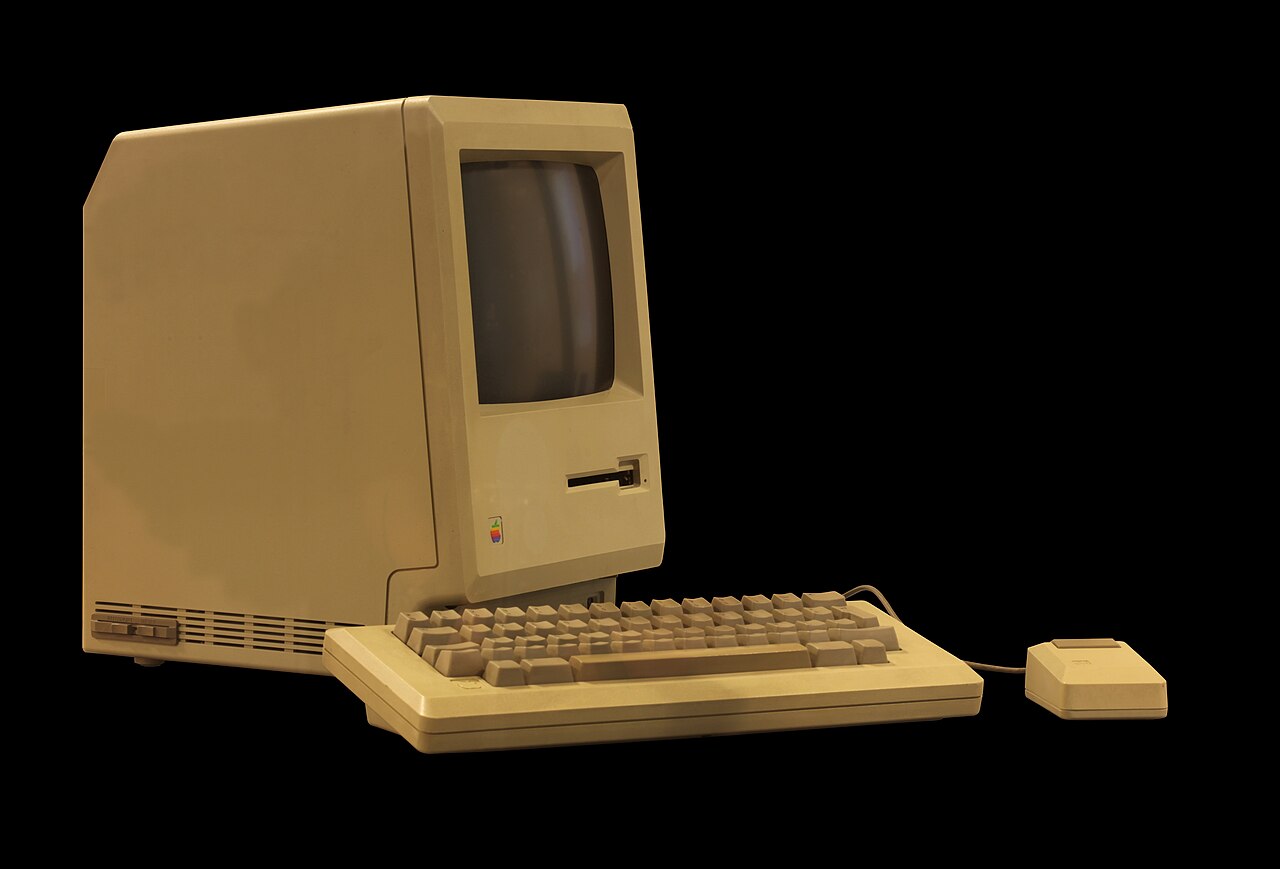
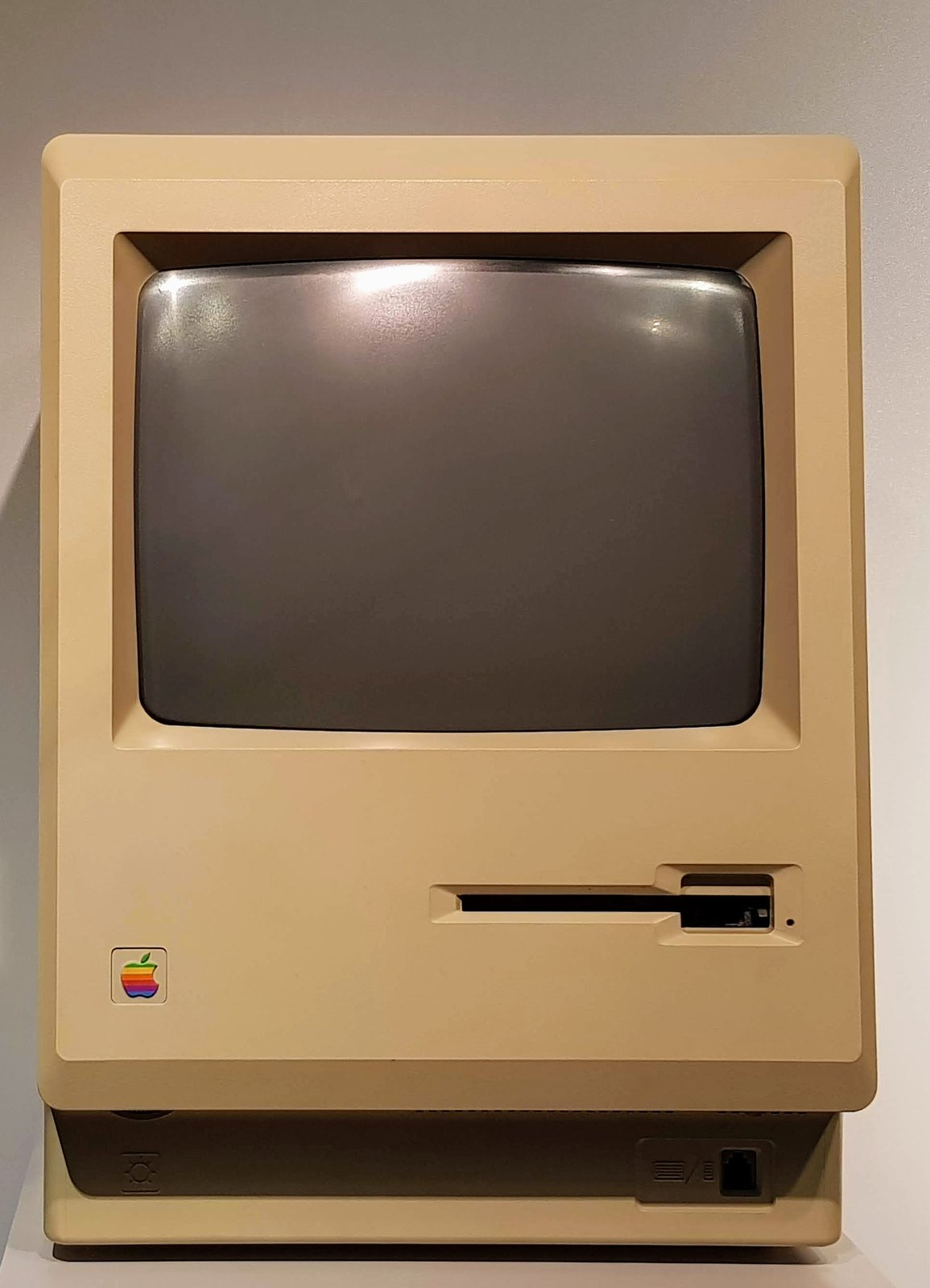
The first update to the Macintosh: same case, same screen, four times the memory. The nickname was earned: Fat Mac.
Specs
| Processor | Motorola 68000 · 8 MHz |
|---|---|
| Memory | 512 KB |
| Display | 9-inch monochrome, 512×342 |
| Key feature | $3,195 in 1984, per era press · Wikipedia |
Launch
Apple put the Macintosh 512K on sale on September 10, 1984, at $3,195; date and price are recorded by the Centre for Computing History and by Wikipedia (citing that day's Washington Post report). It was the first revision of the original Macintosh: externally identical to the 128K, but with four times the memory, which earned it the Fat Mac nickname. MacPaint and MacWrite still came bundled, and the extra memory opened the door to more demanding software: Microsoft Excel, written specifically for the Mac, required at least 512 KB, per Wikipedia. Owners of the 128K could buy an upgrade to 512 KB for $995, a price that fell as DRAM costs dropped, per The New York Times in 1985. These newspaper references are reported by Wikipedia.
In its September 1984 report, The Washington Post called it the Fat Mac and quoted marketing manager Michael Murray's ambition to present the Macintosh as a serious business machine. Andy Hertzfeld recounts on folklore.org that he conceived Switcher in October 1984 after seeing Memory Shift on a journalist's PC: 512 KB could now hold several applications in memory and allow quick switching between them.
Marketing
The 512 KB allowed Microsoft Excel to run, matching its minimum memory requirement, according to Wikipedia. The same source records the 512K’s use as an AppleShare server from 1987 and Color Systems Technology’s use of multiple machines to colorize films. The LaserWriter allowed shared printing for desktop publishing through AppleTalk.
According to Hertzfeld's account on folklore.org, Bill Gates offered him $40,000 to develop the program for Microsoft. Hertzfeld preferred to work independently. Jobs saw the demo in January 1985 and set a $100,000 price for Apple to bundle it with the Mac; the final agreement added a 10% royalty on separate sales which, Hertzfeld recalls, eventually brought another $50,000. He released Switcher in April 1985 and later handed it to Phil Goldman, who wrote MultiFinder with Erich Ringewald in 1987.
Flaws and fixes
It offered no RAM slots or internal expansion slots in its official configuration. In April 1986 the 512Ke arrived with an 800 KB floppy drive and the Macintosh Plus ROM, and Apple discontinued the original 512K on April 14, 1986, per its technical specifications. Official support ended on September 1, 1998. · Apple
With no expansion slots, the 512K grew in curious ways, per Wikipedia: General Computer's HyperDrive hard drive ($2,795) plugged directly into the 68000 processor socket, and Apple's Hard Disk 20 connected to the floppy port, requiring on old-ROM 512Ks a system file that loaded the improved ROM into memory. Apple also sold a kit turning the 512K into a 512Ke with a new ROM and 800 KB floppy drive.